Espresso Machines
Best Prosumer Espresso Machines: Dual Boiler & E61 Picks (2026)
Three prosumer espresso machines from around $1,700 to around $2,300 — the tier above our under-$700 guide, led by the Breville Dual Boiler (bundled with a Smart Grinder Pro) and the compact dual-boiler Rancilio Silvia Pro X.
By Nick Miles · Updated August 17, 2026 · 9 min read
KitchenGearHQ is reader-supported. We may earn a commission from qualifying Amazon purchases at no extra cost to you.
Evidence at a Glance
Breville Dual Boiler (Dynamic Duo bundle)
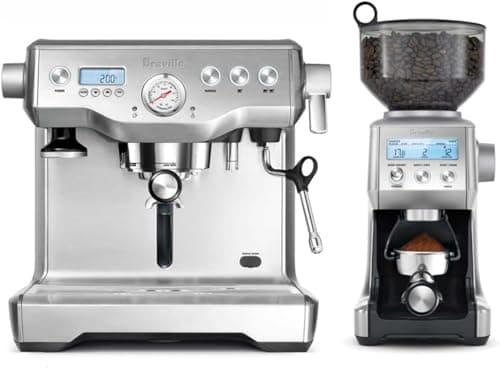
Dual stainless steel boilers with PID control, a professional 58mm portafilter, and low-pressure pre-infusion — bundled with Breville's Smart Grinder Pro at a lower price than any machine-only pick in this guide.
Sources: Breville
Verified Jul 26, 2026
Rancilio Silvia Pro X
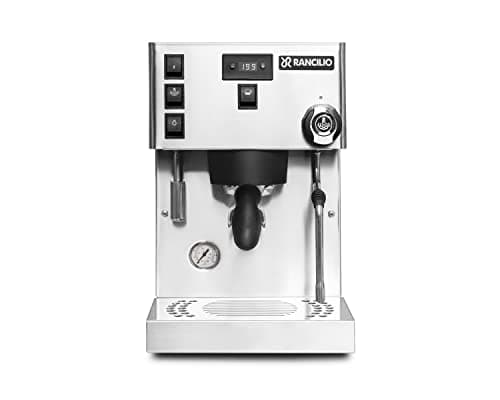
A 300ml brew boiler and 1-liter steam boiler, each with its own PID adjustable to the degree, plus 0-6 second adjustable soft pre-infusion — in a 10-inch-wide commercial-grade stainless body.
Sources: Rancilio
Verified Jul 26, 2026
Rocket Appartamento TCA
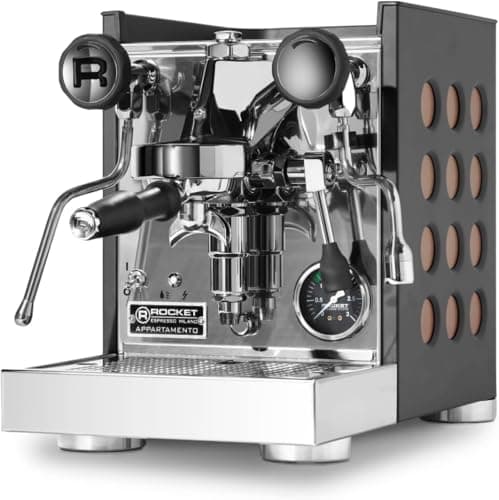
A 1.8-liter copper heat-exchanger boiler behind a classic E61 group, with four selectable boiler-pressure settings from 0.9 to 1.2 bar — handcrafted in Milan, Italy.
Sources: Rocket Espresso
Verified Jul 26, 2026
Our Picks
Breville
Breville Dual Boiler (Dynamic Duo bundle)
8.9 / 10
- Dual stainless steel boilers — dedicated espresso and steam boilers running simultaneously
- PID temperature control on the brew side plus a heated group head
- Professional 58mm stainless steel portafilter holding a 22g dose
- Low-pressure pre-infusion followed by 9-bar extraction
$1,699.95
Rancilio
Rancilio Silvia Pro X
8.6 / 10
- Dual boilers: 300ml brew + 1-liter steam, both insulated
- Two independent PIDs, adjustable to the degree
- Soft pre-infusion adjustable from 0 to 6 seconds
- Front PID screen doubles as a shot timer; programmable auto-on
$2,195.00
Rocket Espresso
Rocket Appartamento TCA
8.4 / 10
- 1.8-liter copper heat-exchanger boiler behind a classic E61 group
- TCA: four selectable boiler pressures from 0.9 to 1.2 bar, in 0.1-bar steps
- 58mm portafilter; 2.5-liter water tank
- Selectable 30-minute eco standby mode
$2,300.00
The Short Answer
For most home baristas stepping up from a single-boiler machine, the Breville Dual Boiler Dynamic Duo bundle (around $1,700) is the best pick: dual stainless steel PID-controlled boilers, a 58mm portafilter, and a bundled Smart Grinder Pro, for less than any machine-only pick here.
Every product on this list has been scored against the Kitchen Gear Score, a weighted composite of expert consensus, performance, build quality, everyday usability, and value. Review method: We built this guide from maker specs, live Amazon listings, and specialty retailer spec sheets for three prosumer espresso machines. KitchenGearHQ does not run a testing lab. We checked every spec against the live listing on the check date, and cross-checked each machine against at least one specialty coffee retailer to confirm the buy box was honest. Prices shown on product cards come from an automated buy-box snapshot refreshed weekly rather than from figures typed into this article, so the ranges written into the copy are deliberately wide. We found no independent lab-test coverage of these three specific models this cycle, so every claim here comes from the maker or a retailer listing, not a third-party test — each pick's cons note where that limits what we can confirm.. 0
Where This Tier Starts — and Where Our Other Espresso Guides End
Our best espresso machine under $700 guide covers single-boiler machines from the Breville Bambino at around $300 to the De'Longhi La Specialista Arte Evo at around $700 — machines that make genuinely good espresso but share one structural limit: a single heating system that has to switch between brewing and steaming. The Barista Express vs Barista Touch comparison covers the $550-$1,000 step most upgraders consider next, and our compact setups guide handles the small-kitchen version of the question.
This guide starts one tier above all of that, at around $1,700, and the boundary is architectural, not just a bigger number. Every pick here can brew and steam at the same time, because every pick has two heating systems — dual boilers on the Breville and Rancilio, a heat-exchanger boiler on the Rocket — and every pick runs a commercial-size 58mm portafilter with real temperature control. Nothing in the $700-$1,600 gap between the two guides makes that combination of claims, which is why the gap exists. If you're not sure you'll use the capability, the honest advice is in the under-$700 guide: the Gaggia Classic Evo Pro, at around $450, remains the enthusiast value floor, and no machine on this page will make it obsolete.
That gap is not empty of machines — it is empty of this architecture, and the clearest illustration is the range that fills it instead. Ninja's Luxe Café Pro sits inside it at around $750, and Ninja's fully automatic AutoBarista line runs from around $900 to around $1,000 — the top of that range being the Vista Green special edition, out of stock when we looked — per SharkNinja's own product listings read on 2026-08-17. Those are bean-to-cup machines with integrated grinders and one-year limited warranties, and on the AutoBarista a one-touch drink menu — engineered to make several drinks easily rather than to make one drink precisely, which is the opposite of what every machine below is for. They are a good answer to a different question; the FAQ at the end of this guide covers how they compare and who should buy which.
Within this tier, the differences come down to what you want beyond the Breville's value lead: the Rancilio Silvia Pro X (around $2,200) adjusts its dual PIDs to the degree in the narrowest footprint here, and the Rocket Appartamento TCA (around $2,300) is handcrafted in Milan on the classic E61 platform.
How Do We Score Prosumer Espresso Machines?
Every product on KitchenGearHQ carries a Kitchen Gear Score — a single 0-10 composite that makes our ranking auditable instead of a vibe. For this prosumer tier it is calculated as:
Kitchen Gear Score = (Temperature Architecture & Stability × 0.30) + (Shot Control & Workflow × 0.25) + (Build & Serviceability × 0.20) + (Steam Performance × 0.15) + (Value at Tier × 0.10)
- Temperature Architecture & Stability (30%) — the heating design itself and how precisely it can be set and held. Weighted highest because this is what the jump from the under-$700 tier actually buys.
- Shot Control & Workflow (25%) — pre-infusion adjustability, volumetric versus manual dosing, and programmability.
- Build & Serviceability (20%) — materials and whether the platform can be serviced for decades or replaced when it fails.
- Steam Performance (15%) — steam capacity and simultaneous brew-and-steam capability as the maker states it.
- Value at Tier (10%) — capability per dollar within the $1,700-$2,300 band, not against the tier below.
The Breville bundle leads at 8.9 because it concedes only build quality while winning value outright — dual PID-controlled boilers plus a grinder for less than any bare machine here. The Silvia Pro X's 8.6 rests on the most precise temperature control in the guide, held back by its manual-only dosing. The Rocket's 8.4 is a bet on platform longevity over daily convenience, scored against listings that don't publish every number we'd want — including a warm-up figure — which the cons above state plainly.
Dual Boiler vs Heat Exchanger: Which Should You Buy?
All three machines solve the same problem — brew water at one temperature, steam at a much higher one, simultaneously — with two different architectures, and the differences drive every trade-off in this guide.
A dual boiler (Breville, Rancilio) simply has two: a small boiler held at brew temperature and a larger one making steam, each independently controlled. It's the most direct route to precision — the Silvia Pro X puts a PID on each — at the cost of size, warm-up time, and price.
A heat exchanger (Rocket) keeps one large steam boiler hot and flash-heats brew water through a coil running inside it. You get simultaneous operation from a single boiler and enormous steam reserve — the Rocket's 1.8-liter copper boiler is the biggest vessel in this guide — but brew temperature is managed indirectly, which is why Rocket's TCA presets adjust boiler pressure rather than displaying a brew-water number.
There is no free lunch in this tier; there is only choosing which cost lands on your morning. Precision costs you warm-up time and counter space; steam reserve and serviceability cost you direct control of the brew number.
The Grinder Matters as Much as the Machine
A prosumer machine fed by a hopper-fed kitchen grinder will lose, every time, to a modest machine fed by an espresso-grade grinder — grind consistency is the ceiling on everything downstream. That's the quiet logic of the rank-1 bundle: the Smart Grinder Pro's 60 settings are enough to dial in the Dual Boiler properly on day one. If you're buying the Rancilio or Rocket bare, budget for the grinder as part of the purchase, not an accessory: our prosumer coffee grinders guide covers the single-dose and espresso-grade tier from around $250 to around $600, and the general grinder guide covers the hopper-fed step below it. A machine at this tier behind a $100 grinder is the most common mis-spend in this hobby.
Counter Space, Power, and the Rest of the Kitchen
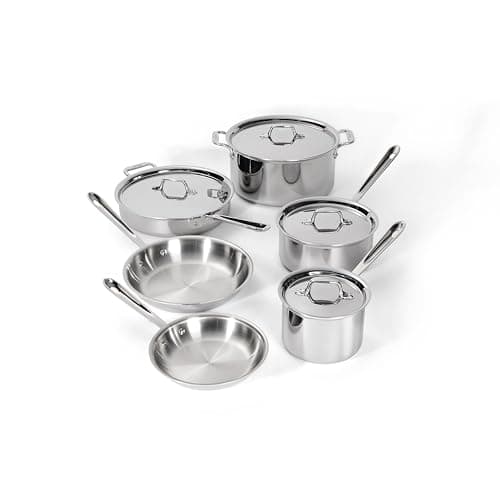
None of these machines visit the counter; they live on it. The Silvia Pro X is the narrowest at 10 inches wide but runs 16.5 inches deep; the Rocket weighs 48.5 pounds and wants clearance above its cup rail; the Breville's published footprint is roughly 15 by 16 inches. If that's already an argument in your kitchen, the compact setups guide is the better starting point. Power is the easier constraint here: the Rancilio's listed 1000W and the Rocket's 1350W maximum both run comfortably on any modern kitchen circuit. And if this purchase is part of a larger kitchen upgrade, the same buy-once logic applies one shelf down — our premium stainless cookware guide covers the cookware equivalent of an E61: heavy, serviceable, and bought once.
Head-to-Head Comparison
| Feature | Breville Dual Boiler (Dynamic Duo bundle) | Rancilio Silvia Pro X | Rocket Appartamento TCA |
|---|---|---|---|
| Kitchen Gear Score | 8.9 | 8.6 | 8.4 |
| Price band | Around $1,700 (with grinder) | Around $2,200 | Around $2,300 |
| Heating architecture | Dual stainless boilers | Dual boilers (300ml + 1L) | 1.8L copper heat exchanger |
| Temperature control | PID, brew boiler + heated group | Dual PIDs, to the degree | TCA — 4 presets, 0.9-1.2 bar |
| Shot control | Volumetric + manual | Manual only, shot timer | Manual (semi-automatic) |
| Warm-up | Not published | ~15 min (retailer spec) | Not published (E61 — slow) |
| Portafilter | 58mm | 58mm | 58mm |
| Best for | Value — complete setup | Precision in a narrow footprint | Classic E61 serviceability |
| Watch-out | Appliance-grade build | No volumetric dosing | Four temp presets only |
| Check Price | Amazon | Amazon | Amazon |
$1,699.95
- Dual stainless steel boilers — dedicated espresso and steam boilers running simultaneously
- PID temperature control on the brew side plus a heated group head
- Professional 58mm stainless steel portafilter holding a 22g dose
- Low-pressure pre-infusion followed by 9-bar extraction
- Bundled Smart Grinder Pro with 60 grind settings
The Breville Dual Boiler has been the mainstream answer to "first serious espresso machine" for years, and the way it's sold on Amazon makes the value case unusually clear: the listing is the Dynamic Duo package — the BES920XL machine plus Breville's Smart Grinder Pro — for around $1,700, sold by Seattle Coffee Gear. Breville's own site gives the standalone machine a list price of $1,599.95 and showed it out of stock on our check date, so the bundle effectively adds a 60-setting conical burr grinder for about $100 over its list price. Since a machine at this tier is only as good as the grinder feeding it, that pairing is the cheapest complete prosumer setup in this guide.
The architecture is the real story. Two stainless steel boilers run at once — one held at brew temperature under PID control, one making steam — so you can pull a shot and texture milk simultaneously instead of waiting for a single boiler to switch jobs, the core limitation of every machine in our under-$700 guide. The group head is heated too, and shots start with low-pressure pre-infusion before ramping to 9-bar extraction. The 58mm stainless portafilter holds a 22g dose — the same commercial size as every other pick here — and you can trigger shots volumetrically (1 or 2 shots) or run them manually.
The trade-offs are the usual Breville ones: this is an appliance-grade machine with electronics and plastic in places the Italian picks use brass and steel, and it doesn't have the open, serviceable internals that make an E61 machine a decades-long proposition. Buy it if you want the most capability per dollar in this tier and a grinder in the same box; look to the Rancilio or Rocket below if long-haul serviceability matters more to you than features.
What We Love
- Dual stainless boilers with PID — true simultaneous brew and steam
- Bundle includes the Smart Grinder Pro, making it the cheapest complete setup here
- Volumetric and manual shot control plus low-pressure pre-infusion
- 58mm/22g professional portafilter, same size as the Italian picks
- Lowest price in this guide at around $1,700, machine and grinder included
What Could Be Better
- Appliance-grade build — more electronics and plastic than the Italian machines here
- Standalone BES920XL showed out of stock at Breville itself on our check date; Amazon stock was limited
- Not the long-haul serviceable platform an E61 machine is
- No independent lab-test coverage of this bundle was available to verify this cycle
The Verdict
The best value into the prosumer tier. Buy it if you want dual-boiler capability and a competent grinder in one box for less than any machine-only pick here.
Sources
- Breville (Amazon product listing, Dynamic Duo BEP920BSS): Breville Dynamic Duo Dual Boiler Espresso Machine and Smart Grinder Pro Package (BEP920BSS) — new, in stock in the buy box on the check date, sold by Seattle Coffee Gear
- Breville (manufacturer product page, Dual Boiler BES920XL): Standalone BES920XL carries a list price of $1,599.95 and was out of stock at Breville on the check date; dual stainless steel boilers with PID temperature control, 58mm stainless portafilter holding a 22g dose, low-pressure pre-infusion followed by 9-bar extraction via a 15-bar Italian pump, volumetric or manual shot control; 37.9 x 40.3 x 37.1 cm
$2,195.00
- Dual boilers: 300ml brew + 1-liter steam, both insulated
- Two independent PIDs, adjustable to the degree
- Soft pre-infusion adjustable from 0 to 6 seconds
- Front PID screen doubles as a shot timer; programmable auto-on
- 58mm portafilter and brass brewing unit in a 10-inch-wide body
The Silvia Pro X is what a commercial cafe-machine maker builds when it shrinks its commercial thinking to a home footprint. Two independent boilers, a 300ml brew boiler and a 1-liter steam boiler, each run their own PID controller that you can adjust to the degree, and both are insulated to hold their set points steady. The brewing unit is brass, the body is stainless steel, and the whole machine is 10 inches wide — the narrowest footprint in this guide, and the reason it earns the compact label despite its commercial-grade internals.
Workflow details are where it separates from the Breville above. Pre-infusion is genuinely adjustable — Rancilio's own page specifies a soft-infusion duration you can set anywhere from 0 to 6 seconds — and the front-facing PID display doubles as a shot timer while you pull, so dialing in doesn't require a separate timer on the counter. A programmable auto-on means the roughly 15-minute warm-up Seattle Coffee Gear's spec sheet lists can happen before you walk into the kitchen. What it deliberately does not do is volumetric dosing: there are no programmed shot buttons here. You start and stop every shot yourself, which is exactly what one camp of home baristas wants and a real daily cost for the other camp.
At around $2,200 it sits roughly $500 above the Breville bundle and doesn't include a grinder — that's the honest math against rank 1. What the extra money buys is build: insulated dual boilers, a brass group, and a service-friendly, commercially-descended platform from the maker behind one of the longest-running home espresso lines on the market. The Amazon buy box matched Seattle Coffee Gear's own list on our check date, so you are not paying a marketplace premium.
What We Love
- True dual boilers with independent to-the-degree PIDs — the most precise temperature control here
- Adjustable 0-6 second soft pre-infusion, per Rancilio's own spec
- Narrowest machine in this guide at 10 inches wide
- Brass brewing unit and stainless body — commercial-grade materials
- Amazon price matched the specialty-retailer list price on the check date
What Could Be Better
- No volumetric dosing — every shot is started and stopped manually
- Roughly 15-minute warm-up, per the retailer spec sheet
- No grinder included, at roughly $500 above the Breville bundle
- No independent lab-test coverage of this model was available to verify this cycle
The Verdict
The best compact dual boiler. Buy it if to-the-degree temperature control and commercial-grade build in a 10-inch footprint matter more to you than programmed shot buttons or a bundled grinder.
Sources
- Rancilio (Amazon product listing, Silvia Pro X): Rancilio Silvia Pro X Espresso Machine, stainless steel — new, in stock in the buy box on the check date via a third-party specialty retailer (Amazon buy-box sellers rotate); 1-liter steam boiler and 300ml brew boiler, dedicated brew and steam PIDs adjustable to the degree, adjustable low-pressure pre-infusion, front-facing PID screen doubling as a shot timer, programmable auto-on
- Rancilio (manufacturer product page, Silvia Pro X): Single-group dual-boiler home machine; two independent PID controllers in the coffee and steam boilers; soft infusion with duration adjustable from 0 to 6 seconds; stainless steel body, insulated boilers, brass brewing unit, multi-directional stainless steam wand
- Seattle Coffee Gear (retailer product page, Silvia Pro X): Retailer's own list matched the Amazon buy box on the check date; 58mm portafilter, 1000W at 120V, 10 in. wide x 16.5 in. deep x 15.25 in. high, roughly 15-minute brew warm-up
$2,300.00
- 1.8-liter copper heat-exchanger boiler behind a classic E61 group
- TCA: four selectable boiler pressures from 0.9 to 1.2 bar, in 0.1-bar steps
- 58mm portafilter; 2.5-liter water tank
- Selectable 30-minute eco standby mode
- Handcrafted in Milan, Italy; 48.5-pound chassis
The Appartamento TCA is the guide's classic-route pick: a 1.8-liter copper heat-exchanger boiler feeding a genuine E61 group, handcrafted in Milan by Rocket Espresso. A heat exchanger works differently from the dual boilers above — one large steam boiler stays hot while brew water is flash-heated through a coil running inside it — which means simultaneous brewing and steaming from a single boiler, with the E61 group's thermosyphon loop constantly circulating hot water to keep the group at temperature. It is the architecture most of the espresso world's premium home machines are built on, and this is its most attainable current expression from a marquee Italian maker with a live, honest Amazon buy box.
TCA stands for Temperature Control Adjustment, and it is Rocket's answer to the traditional HX weakness of one fixed temperature: four selectable boiler-pressure settings from 0.9 to 1.2 bar, in 0.1-bar steps, adjusted from the machine itself with no screens or menus. That is deliberately not the to-the-degree digital control the Silvia Pro X offers — you are choosing among four presets, not typing a number — and buyers should understand that trade going in. In exchange you get the E61 ritual and its serviceability: this platform is field-serviceable with standard parts in a way appliance-grade machines are not, backed here by Pro Coffee Gear's 3-year parts and labor warranty.
The practical costs are heft, patience and price: at around $2,300 this is the dearest pick in the guide. At 48.5 pounds it is also the heaviest machine here, the vibratory pump is the compromise that keeps it under the plumbed-in tier, and a heavy brass E61 group takes meaningfully longer to reach stable temperature than either boiler machine above it — neither Rocket nor its retailers publish an official warm-up figure. The Amazon buy box, operated by Pro Coffee Gear at its own list price and a shade under Clive Coffee's, was the honest way to buy it on our check date.
What We Love
- Genuine E61 heat-exchanger platform, handcrafted in Milan
- TCA gives four boiler-pressure settings — rare adjustability for an HX at this price
- 1.8L copper boiler and 2.5L tank — the largest capacities in this guide
- Field-serviceable platform with a 3-year parts and labor warranty from the selling retailer
- Amazon buy box matched the selling retailer's own list and undercut Clive Coffee's listing
What Could Be Better
- Temperature is chosen from four presets, not set to the degree
- No published warm-up time; heavy E61 groups are the slowest to reach temperature here
- Heaviest machine here at 48.5 pounds, and the priciest at around $2,300
- No independent lab-test coverage of this model was available to verify this cycle
The Verdict
The best E61 heat exchanger in this guide. Buy it if the classic Italian platform, serviceability, and steam capacity matter more to you than digital to-the-degree control or a fast warm-up.
Sources
- Rocket Espresso (Amazon product listing, Appartamento TCA): Rocket Espresso Appartamento TCA (Black/Copper) — new, in stock in the buy box on the check date, sold by Pro Coffee Gear; hybrid PID design with 4 selectable boiler pressures from 0.9 to 1.2 bar, selectable 30-minute eco standby, RGB indicator light, handcrafted in Milan, Italy
- Pro Coffee Gear (retailer product page, Appartamento TCA): Retailer's own list matched the Amazon buy box it operates on the check date; heat-exchange boiler, E61 group, semi-automatic operation, vibratory pump, 3-year parts and labor warranty
- Clive Coffee (retailer spec sheet, Appartamento TCA): 1.8L copper steam boiler, 2.5L / 84.5 oz water tank, 58mm portafilter, 1350W max, 48.5 lbs, vibratory pump; this retailer's own list ran modestly above the Amazon buy box on the check date
How We Score
Formula
Kitchen Gear Score = (Temperature Architecture & Stability x 0.30) + (Shot Control & Workflow x 0.25) + (Build & Serviceability x 0.20) + (Steam Performance x 0.15) + (Value at Tier x 0.10), on a 0-10 scale.
Score Factors
- Temperature Architecture & Stability · 30%
- The machine's heating design — dual boiler or heat exchanger — and how precisely its temperature can be set and held. This carries the most weight because temperature architecture is what this tier's price jump actually buys.
- Shot Control & Workflow · 25%
- Pre-infusion adjustability, volumetric versus manual dosing, shot timing, and programmability — how much the machine helps you repeat a good shot.
- Build & Serviceability · 20%
- Materials (brass, copper, stainless versus plastic), platform maturity, and whether the machine can be serviced for the long haul.
- Steam Performance · 15%
- Steam capacity and the ability to brew and steam simultaneously, per the maker's stated design.
- Value at Tier · 10%
- Capability per dollar within the $1,700-$2,300 band this guide covers — not against the under-$700 tier below it.
| Rank | Product | Score |
|---|---|---|
| #1 | Breville Breville Dual Boiler (Dynamic Duo bundle) | 8.9 |
| #2 | Rancilio Rancilio Silvia Pro X | 8.6 |
| #3 | Rocket Espresso Rocket Appartamento TCA | 8.4 |
When NOT to Buy
If your budget is under $700, nothing in this guide is the right buy — our under-$700 espresso guide covers that tier, including the Gaggia Classic Evo Pro — around $450, and the machine that keeps this hobby honest at roughly a quarter of these prices. If you're weighing the $550-$1,000 step between the tiers, our Barista Express vs Barista Touch comparison covers the machines most people actually cross-shop first. And if counter space is the binding constraint, start with our compact espresso setups guide — every machine on this page is a permanent counter resident.
Frequently Asked Questions
- What's the best prosumer espresso machine in 2026?
- The Breville Dual Boiler, sold on Amazon as the Dynamic Duo bundle with a Smart Grinder Pro for around $1,700, for most buyers stepping up from a single-boiler machine. It's the only pick here that arrives as a complete setup — dual PID-controlled stainless boilers, a 58mm portafilter, and a 60-setting grinder — for less than any bare machine in this guide.
- How is this guide different from your under-$700 espresso guide?
- The under-$700 guide covers single-boiler machines from around $300 to around $700. Every machine in this guide has two heating systems — dual boilers or a heat exchanger — so it can brew and steam simultaneously, and every pick runs a commercial 58mm portafilter. None of the picks overlap between the two guides. For the $550-$1,000 step in between, see our Barista Express vs Barista Touch comparison; for small kitchens, start with the compact espresso setups guide.
- Is the Breville price really for the machine plus a grinder?
- Yes. The Amazon listing is the Dynamic Duo package (BEP920BSS): the BES920XL Dual Boiler machine plus the Smart Grinder Pro, sold by Seattle Coffee Gear on our check date. Breville's own site gives the standalone machine a list price of $1,599.95 and showed it out of stock when we checked — so the bundle adds the grinder for about $100 over its list price.
- Dual boiler or heat exchanger — which should I buy?
- Dual boiler (Breville, Rancilio) if you want brew temperature set precisely and displayed as a number. Heat exchanger (Rocket) if you value steam reserve, the E61 platform's serviceability, and the classic workflow — and can accept four temperature presets instead of to-the-degree control. Between the two dual boilers, the Rancilio is the precision instrument and the Breville is the value buy.
- Is a $450 machine like the Gaggia Classic Evo Pro enough instead?
- For many people, honestly, yes — it's the enthusiast pick in our under-$700 guide and makes real espresso at roughly a quarter of these prices. What it cannot do is brew and steam at once or hold temperature the way a PID-controlled dual boiler does. If you make one milk drink a day, start there; if you make three back-to-back, this tier is what fixes your morning.
- What grinder should I pair with a prosumer espresso machine?
- An espresso-grade one — grind consistency is the ceiling on everything a machine this good can do. The rank-1 Breville bundle already includes the 60-setting Smart Grinder Pro. If you're buying the Rancilio or Rocket bare, our prosumer coffee grinders guide covers the single-dose and espresso-grade tier from around $250 to around $600, and our general coffee grinder guide covers the hopper-fed tier below it.
- Should I buy a Ninja Luxe Café instead of one of these machines?
- Only if you want one machine to do several jobs. Ninja's Luxe Café line runs from the 2-in-1 Mini (ES301, around $450, espresso and drip coffee) through the 3-in-1 Premier (ES601, around $600, which adds cold brew) to the 4-in-1 Pro (ES701, around $750, which adds hot water), each with an integrated burr grinder and a built-in scale for weight-based dosing — prices and configurations read from SharkNinja's own listings on 2026-08-17. Every machine on this page does one thing instead: pull espresso, through a commercial 58mm portafilter, at a temperature you set. The other real difference is ownership horizon — the Luxe Café line carries a one-year limited warranty, against the three years of parts and labor Pro Coffee Gear lists behind the Rocket. If espresso is the hobby, buy from this page. If espresso is one of four drinks your kitchen makes, the Luxe Café line is the honest answer and this is the wrong guide.
- Is the Ninja AutoBarista the same thing as the Luxe Café?
- No — they are separate Ninja lines, and the AutoBarista is the more automated one. SharkNinja's own listings name the AutoBarista (AE1001, around $900) and AutoBarista Pro (AE1051, around $950 in stainless) "Fully Automatic Espresso Machine," and give each a one-touch drink menu — ten presets on the AutoBarista, thirteen on the Pro. The Luxe Café machines carry no fully-automatic label and no drink menu at all: their presets are for milk frothing rather than whole drinks, four on the Premier and five on the Pro. Grind resolution does not separate the lines the way you might expect — the Luxe Café Mini offers 60 grind sizes against the AutoBarista's 50. All figures read on 2026-08-17. Neither line is built around what this tier is actually bought for — a 58mm portafilter and a brew temperature you set and hold — so if one-touch drinks are the appeal, the AutoBarista is your machine and this is the wrong page.
- Have any of these machines been replaced by a newer model?
- No. We re-checked all three makers and their specialty retailers on 2026-08-17. The Breville Dual Boiler is still the BES920XL at a list price of $1,599.95 on Breville's own site, and still out of stock there, exactly as on our July check date. Rancilio still lists the Silvia Pro X with no successor model. Rocket's Appartamento TCA remains the current-generation Appartamento, in stock and sold new by Pro Coffee Gear. Availability depends on where you buy and on which finish you pick: the Amazon buy box had the Silvia Pro X in stock and new, though flagged as low stock, while Seattle Coffee Gear's own site was down to its last four units in stainless, had white and black on backorder with an August 27 ship estimate, and showed pink sold out. Check the channel and the colorway you actually intend to buy before you commit.
- Are these MSRP prices or sale prices?
- Neither. Every figure on a product card comes from our automated Amazon buy-box snapshot, refreshed weekly, so it is the live selling price rather than a manufacturer's list price or a number typed into this article months ago. We cross-checked all three machines against specialty retailers on 2026-07-26 and read them again on 2026-08-17: every buy box here matched the selling retailer's own list price, and the Rocket's even ran a shade under Clive Coffee's listing for the same machine. No pick in this guide is priced on a discount that could quietly disappear, and we drop any pick whose listing goes inactive rather than leave a machine on the page you cannot buy. Prices still move, though, which is why the ranges written into the body copy are deliberately wide.
Bottom Line
Buy the Breville Dual Boiler Dynamic Duo bundle if you want dual-boiler capability plus a competent grinder for around $1,700 — the cheapest complete prosumer setup in this guide.
Buy the Rancilio Silvia Pro X for to-the-degree dual-PID control and commercial-grade build in the narrowest footprint here, if around $2,200 fits and you prefer starting every shot yourself.
Buy the Rocket Appartamento TCA if the classic, field-serviceable E61 heat-exchanger platform is the point — and you can live with four temperature presets instead of a number pad.
Sources & Methodology
Methodology
Kitchen Gear Score = (Temperature Architecture & Stability x 0.30) + (Shot Control & Workflow x 0.25) + (Build & Serviceability x 0.20) + (Steam Performance x 0.15) + (Value at Tier x 0.10), on a 0-10 scale.
Prices and specs verified July 26, 2026.
KitchenGearHQ is a participant in the Amazon Services LLC Associates Program. We may earn commissions from qualifying purchases — at no extra cost to you.
More Guides
Espresso Machines
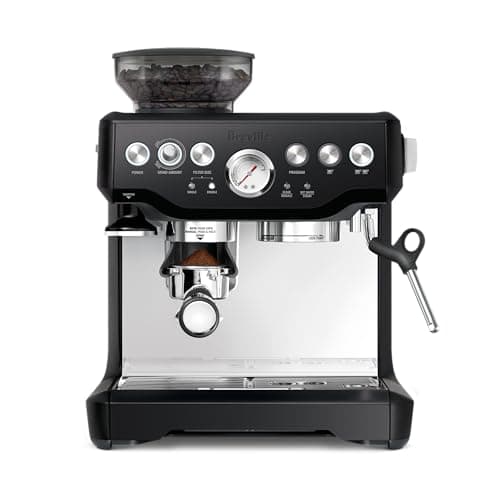
Best Espresso Machine Under $700 (2026)
Espresso Machines
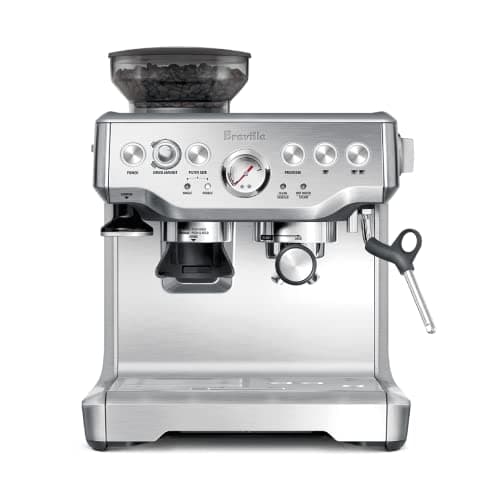
Breville Barista Express vs Barista Touch (2026)
Espresso Machines
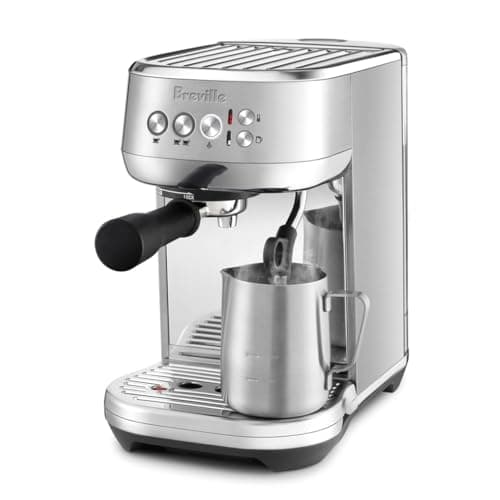
Best Compact Espresso & Coffee Setups for Small Kitchens (2026)
Espresso & Coffee
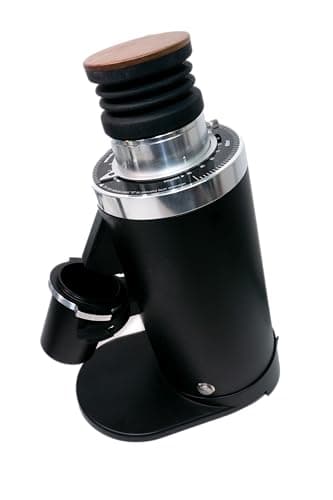
Best Prosumer Coffee Grinders: Single-Dose & Espresso-Grade Picks (2026)
Premium Cookware